U.S. Freezes Visa Processing for Nigerians, 74 others
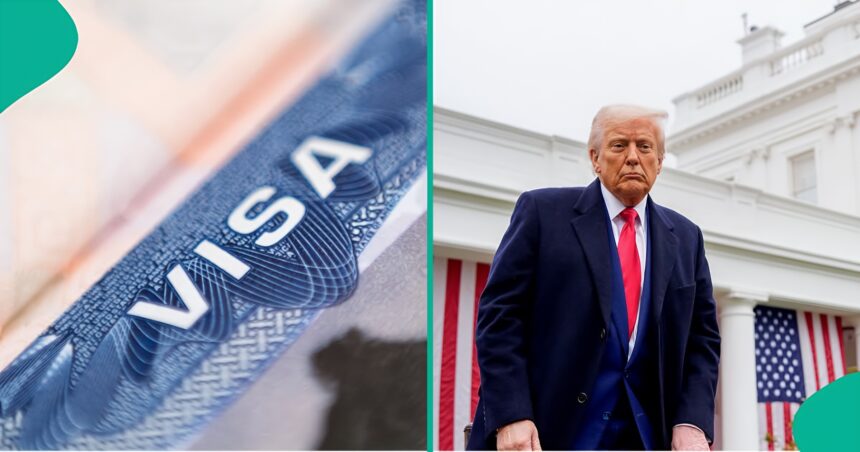
The United States government has announced an indefinite suspension of all visa processing for citizens of 75 countries, including Nigeria, in a sweeping immigration policy shift set to take effect from January 21, 2026.
The decision was disclosed in an internal U.S. State Department memo and is part of a broader reassessment of visa screening procedures aimed at preventing individuals deemed likely to become a “public charge” on U.S. resources.
Under the new directive, consular officers have been instructed to deny visas to applicants considered likely to rely on public benefits. The assessment will factor in applicants’ health status, age, English proficiency, financial capacity, and potential need for long-term medical care. The memo further notes that older or overweight applicants, as well as those with any history of receiving government cash assistance or institutional care, could face denial.
Confirming the development, State Department spokesperson Tommy Piggott said the U.S. would rely on its long-standing authority to bar immigrants likely to depend on welfare or public benefits.
“Immigration from these 75 countries will be paused while the State Department reassesses visa processing procedures to prevent the entry of foreign nationals who would take welfare and public benefits,” Piggott said, adding that the pause would remain in place indefinitely.
The affected countries include Nigeria, Ghana, Egypt, Pakistan, Bangladesh, Afghanistan, Ethiopia, Kenya, Senegal, South Africa, and dozens of others across Africa, Asia, Europe, the Caribbean, and Latin America.
The move represents one of the most extensive immigration restrictions under the current Trump administration, building on earlier measures such as expanded social media screening and stricter public charge evaluations introduced in late 2025.
For Nigeria, one of Africa’s largest sources of U.S. visa applicants, the freeze is expected to disrupt thousands of plans involving education, tourism, employment, and family reunification. Many Nigerians depend on U.S. opportunities for schooling, work, and family ties, raising concerns over the economic and personal impact of the sudden halt.
The development follows a recent update by the U.S. Department of State affecting Nigerian visa holders. According to the U.S. Embassy in Abuja, most non-immigrant, non-diplomatic visas issued to Nigerians are now single-entry visas valid for only three months, a policy that took immediate effect.
The latest visa freeze also aligns with the administration’s intensified immigration clampdown, which has reportedly included the revocation of more than 100,000 visas over national security and public benefit concerns.