PWAN Trains Journalists on Police Reform, Accountability Reporting
By Ugwu Elizabeth
The Rule of Law and Empowerment Initiative, also known as Partners West Africa Nigeria (PWAN), has sensitised media practitioners on effective reporting of police reform and accountability as part of efforts to strengthen public trust in law enforcement.
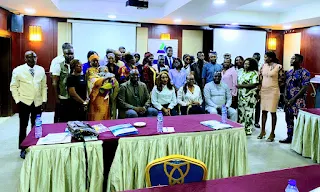
The one-day sensitisation workshop, held on Monday in Abuja, brought together journalists from various media organisations to deepen their understanding of the Police Act 2020, citizens’ rights, and ethical reporting standards.
Speaking at the event, PWAN Executive Director, Kemi Okenyodo, said the media plays a critical role in helping the public understand police reform beyond sensational headlines and controversies.
“The media has a responsibility to help the public understand what police reform really means. When journalists report accurately and responsibly, it builds trust and helps hold institutions accountable,” she said.
Okenyodo described the media as a key partner in promoting transparent, professional, and people-centred policing, noting that the manner in which security issues are reported can either strengthen or weaken public confidence.
She explained that the workshop is part of PWAN’s project, “Enhancing Public Trust and Gender-Responsive Policing in Nigeria Through the Effective Implementation of the Police Act 2020 across the Six Geopolitical Zones,” supported by the Foreign, Commonwealth and Development Office (FCDO).
According to her, the project focuses on strengthening institutional accountability, promoting gender-responsive policing, and improving public confidence in the Nigeria Police Force (NPF), while increasing public awareness of the Police Act 2020 and revised Police Regulations.
“Many citizens are unaware of the provisions of the Police Act 2020 and their rights under the law. The media can help bridge this gap by simplifying the law and explaining how it affects everyday interactions with the police,” she said.
Okenyodo stressed that gender-responsive policing should be treated as a core reform issue, noting that improved awareness and accountability would help reduce rights violations and foster a more citizen-focused policing culture.
She added that the engagement was not intended to shield the police from scrutiny but to strengthen accountability and professionalism, while equipping journalists with the tools for ethical, balanced, and impactful reporting on police reform.
The workshop also provided a platform for journalists to share experiences, raise concerns, and propose practical recommendations for improving trust and collaboration between communities and the police.