“Four Blows, Zero Loyalty: How Senator Ovie Omo-Agege Allegedly Alienated Abraka Kingdom” – APU Chairman
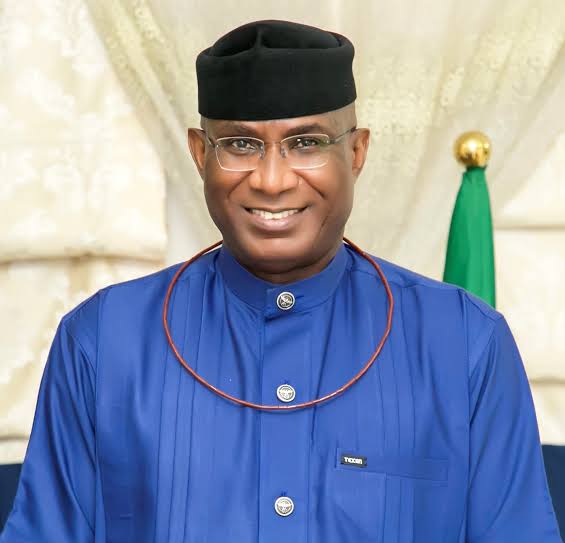
The explosive account by Dr. Benson Onojeharo, Chairman of the Abraka Progress Union (APU) Abuja, paints a troubling picture of strained relations between Ovie Omo-Agege and a key Urhobo constituency he is expected to represent.
At the heart of the narrative is a pattern—one that moves from early goodwill to repeated disappointment, and ultimately, to open disillusionment.
From Celebration to Cold Shoulders
The relationship reportedly began on a positive note when APU leaders paid a congratulatory visit following Omo-Agege’s emergence as Deputy Senate President. The gesture was symbolic and significant, including the presentation of a costly portrait.
However, what followed shortly after marked the first crack. Despite warm reception and affirming rhetoric about his office being “an Urhobo office,” the Senator’s outright refusal to attend a union event—dismissed as a “launching ceremony”—was perceived not just as a scheduling choice, but as an early signal of detachment.
Institutional Distance or Deliberate Avoidance?
The second encounter deepened concerns. What was meant to be a purposeful engagement turned into a highly managed, media-driven visit, lacking clarity and substance.
The redirection of APU’s requests to his Chief of Staff, Otive Igbuzor, created a bureaucratic buffer that, according to the account, ultimately led nowhere.
The most sensitive issue—employment opportunities for Abraka youths—remains unresolved. Whether due to internal bottlenecks or deliberate disregard, the absence of feedback or results has fueled perceptions of neglect.
Missed Opportunities and Political Messaging
The third “blow” reflects a more strategic failure. With knowledge of incoming federal projects, APU sought equitable distribution—specifically, inclusion of Abraka Kingdom.
The lack of response, followed by reports that such developments were concentrated in Omo-Agege’s hometown, reinforces a narrative of uneven representation. While constituency development often begins at home, political optics matter. Concentration of benefits in one locality risks alienating broader support bases.
Personal Appeals, Public Implications
Perhaps the most damaging account is the personal one. A stalled recommendation request—despite compliance with all stated requirements—suggests not just inefficiency but disregard.
In politics, personal stories often carry more weight than policy arguments. This incident transforms an administrative lapse into a symbol of perceived indifference.
A Growing Trust Deficit
Cumulatively, these experiences point to a widening trust gap. The recurring themes—unfulfilled promises, lack of communication, and perceived favoritism—have political consequences.
Dr. Onojeharo’s concluding stance—that Abraka Kingdom may withhold support—signals more than frustration; it suggests a potential fracture in Urhobo political unity.
The Bigger Picture
For a figure like Omo-Agege, whose political strength is rooted in regional solidarity, such narratives can be costly. Representation is not measured only by legislative performance but by accessibility, responsiveness, and perceived fairness.
If left unaddressed, this account may not remain an isolated grievance but could evolve into a broader sentiment within the constituency.
Conclusion:
This is more than a personal complaint—it is a political warning. In a climate where loyalty is increasingly transactional, repeated “blows” without reconciliation may translate into electoral consequences.