FRSC Moves to Enforce NIN for Driver’s Licence, Vehicle Registration
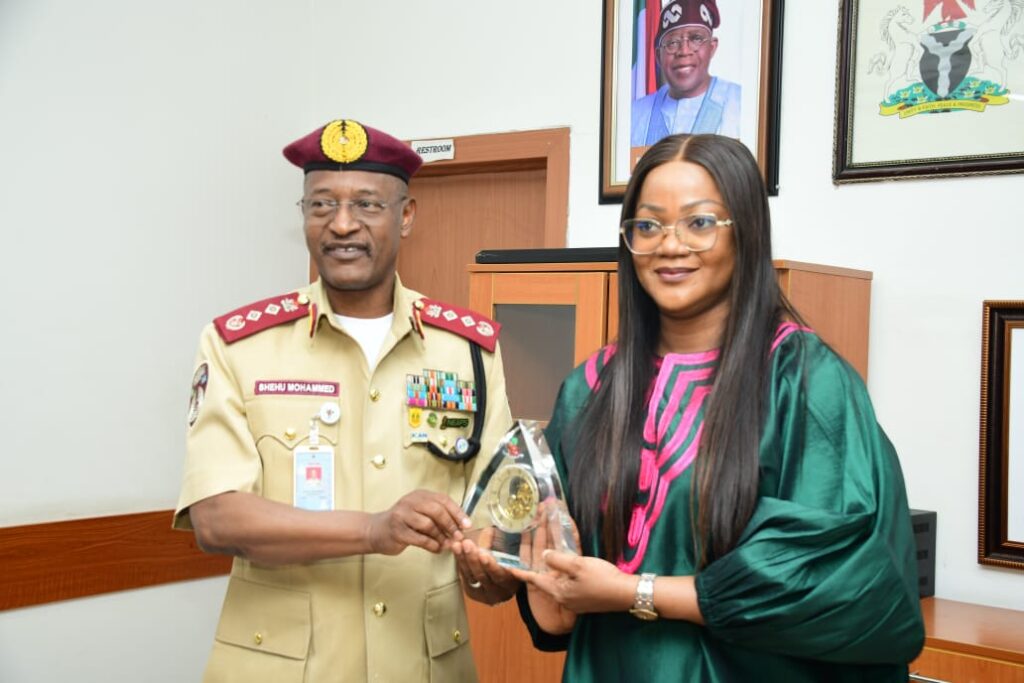
The Federal Road Safety Corps (FRSC) and the National Identity Management Commission (NIMC) have taken significant steps toward strengthening national security and road safety through deeper data integration and identity harmonisation.
The Corps Marshal of the FRSC, Shehu Mohammed, reaffirmed the Corps’ commitment during a high-level strategic meeting with the Director General of NIMC, Adesoye Coker, in Abuja.
Speaking at the engagement, Mohammed stressed the urgent need for robust inter-agency data harmonisation to build what he described as a “secure and intelligent nation,” where individuals can be accurately identified and verified across government platforms. He noted that credible identity management is central to effective law enforcement, improved crash reduction strategies, and sustainable national planning.
The FRSC boss commended NIMC for expanding Nigeria’s identity database and strengthening the National Identification Number (NIN) ecosystem, describing the progress as critical to ongoing reforms in the transport and motoring sectors.
In a decisive policy direction, Mohammed reiterated that the FRSC is moving toward full enforcement of the NIN as a mandatory requirement for vehicle registration and the acquisition of the National Driver’s Licence. According to him, the measure will help sanitise the motoring space, improve traceability of drivers and vehicle owners, and enhance accountability within the road transport system.
He also sought the formal inclusion of the FRSC in NIMC’s Annual Identity Forum, highlighting the Corps’ frontline role in identity management through its driver licensing and vehicle registration processes. He said closer institutional collaboration would accelerate innovation, improve data accuracy, and strengthen operational efficiency across agencies.
In her response, Coker pledged NIMC’s unwavering commitment to partnering with the FRSC in advancing data integration initiatives that support crash reduction efforts and broader national security objectives.
She commended the ongoing transformation and modernisation within the FRSC, noting that strategic synergy between both institutions would deliver far-reaching benefits for governance, public safety, and accountability.
The meeting marks another milestone in the Federal Government’s drive to build a harmonised, technology-driven national identity architecture aimed at strengthening governance frameworks, promoting transparency, and safeguarding lives on Nigerian roads.