ICPC seeks stronger media alliance after ₦37.44bn recovery
The Independent Corrupt Practices and Other Related Offences Commission (ICPC) has called for deeper collaboration with the media following the recovery of more than ₦37.44 billion and $2.35 million in 2025, stressing that sustained partnerships are critical to advancing Nigeria’s anti-corruption fight.
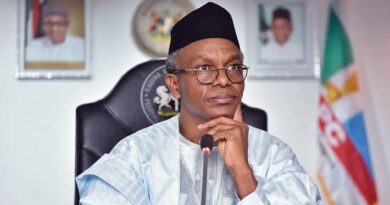
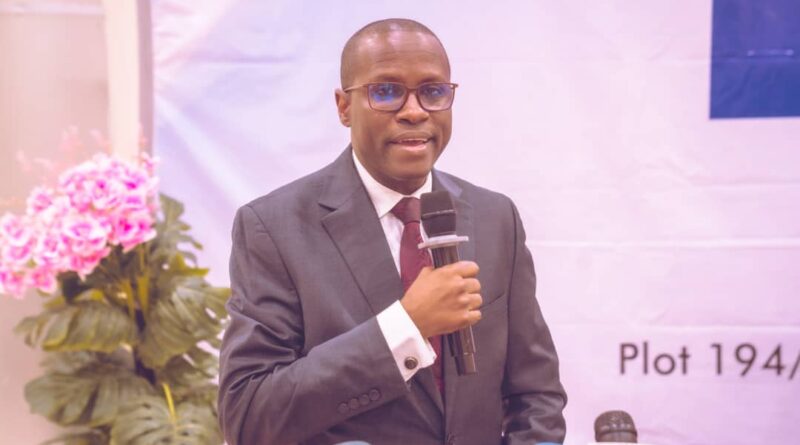
ICPC Chairman, Dr. Musa Adamu Aliyu, SAN, made the appeal on Thursday in Abuja at a joint workshop organised by the Commission and the Nigeria Union of Journalists (NUJ). He described the press as a vital pillar in the anti-corruption ecosystem, serving as watchdogs, agenda-setters, and drivers of institutional reform.
Aliyu warned that without a vibrant, ethical, and responsible media, efforts to combat corruption could weaken, urging journalists to uphold accuracy, fairness, and professionalism to maintain public trust.
The workshop, themed “Reinvigorating the National Anti-Corruption Strategy (2022–2026): A Post-Assessment Roadmap for the Fourth Estate,” aimed to strengthen collaboration and enhance the media’s governance role. The ICPC boss emphasised prevention as the most effective anti-corruption tool, highlighting the Commission’s Constituency and Executive Projects Tracking Initiative (CEPTI).
He revealed that about 950 projects valued at roughly ₦415.25 billion across 26 states and the FCT had been monitored, alongside Federal Ministry of Works projects worth over ₦21.23 trillion. According to him, the initiative has exposed abandoned projects, compelled contractors back to sites, and improved accountability in public service delivery.
Keynote speaker, Professor Umaru A. Pate, described corruption as a major economic and governance challenge but noted encouraging signs of public resistance, citing surveys showing that 70 per cent of Nigerians refused to pay bribes in 2023.
Pate identified obstacles to the National Anti-Corruption Strategy, including weak inter-agency coordination, political interference, low public awareness, judicial delays, and limited media engagement. He stressed that prosecution alone cannot defeat corruption, calling instead for preventive systems, transparency, and citizen participation.
He urged journalists to adopt data-driven reporting, intensify scrutiny of public procurement and budget implementation, and advocate for stronger protections for media practitioners.
NUJ President, Comrade Alhassan Yahya Abdullahi, also called for sustained cross-sector cooperation, saying coordinated action would reshape public perception and entrench accountability.
Goodwill messages from government officials and lawmakers echoed the need for professionalism, mutual respect, and shared commitment between the media and anti-corruption agencies to strengthen integrity in public life.